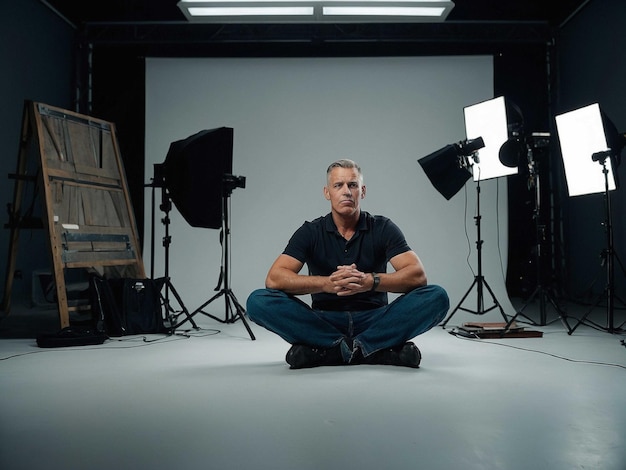
A Proven System for Portrait Photography Education
Understanding the principles and practices that guide our approach to teaching portraiture in Tokyo
Return HomeOur Educational Philosophy
The foundation of our methodology rests on principles developed through years of teaching portrait photography in Japan's creative community.
Core Beliefs
Learning Through Practice
We believe portrait photography develops through active engagement rather than passive observation. Our courses emphasize regular shooting sessions where participants apply concepts immediately, reinforcing understanding through direct experience.
Principles Over Formulas
Rather than teaching rigid rules, we focus on underlying principles that enable photographers to make informed decisions. This approach supports adaptation to varied situations rather than mechanical replication of specific setups.
Technical and Human Integration
Portrait photography requires both technical competence and interpersonal sensitivity. Our methodology addresses these elements together, recognizing that exceptional portraits emerge from their combination rather than technical skill alone.
Why This Matters
Traditional photography education often separates technical instruction from the relational aspects of portraiture. We observed that this division creates photographers who understand equipment but struggle with subjects, or who connect well with people but lack technical reliability.
Our integrated approach developed from recognizing that portrait photography fundamentally involves human interaction mediated through technical tools. Both dimensions require attention for effective portraiture.
Foundational Values
- Respect for subject dignity and autonomy
- Commitment to continuous improvement in teaching methods
- Belief in accessible excellence through structured learning
- Emphasis on individual creative voice development
The Facecraft Method
Our teaching framework progresses systematically through interconnected phases, each building on previous development.
Foundation Establishment
Technical & Conceptual Base
Participants begin with essential technical knowledge specific to portraiture. This includes camera operation in portrait contexts, fundamental lighting principles, and basic compositional considerations. We establish common terminology and frameworks that support subsequent learning.
Key Focus: Building reliable technical execution and understanding core portrait photography concepts
Practical Application
Guided Practice Sessions
Regular shooting sessions allow participants to apply learned concepts with real subjects. Instructors provide immediate feedback, helping photographers recognize what works and understand why. This phase emphasizes developing judgment through experience rather than memorizing settings.
Key Focus: Translating theoretical knowledge into practical capability through active shooting and feedback
Interpersonal Development
Subject Relationship Skills
As technical skills become more reliable, focus shifts toward subject interaction. Participants learn to create comfortable environments, provide effective direction, and read subject responses. This phase integrates human sensitivity with technical execution.
Key Focus: Developing rapport-building abilities and understanding the photographer-subject relationship
Creative Expression
Personal Style Development
With technical and interpersonal foundations established, participants explore personal creative approaches. They learn to make deliberate choices that reflect their unique perspectives while maintaining technical quality and subject comfort. This phase encourages individual voice within professional standards.
Key Focus: Building confidence in creative decision-making and developing recognizable personal style
Progressive Integration
These phases don't occur in strict sequence. Rather, each session typically addresses multiple elements with varying emphasis. As courses progress, the balance shifts from foundational technical work toward creative and interpersonal refinement, while maintaining technical standards throughout.
Evidence-Based Teaching Practices
Our methodology incorporates principles from learning science and photography education research.
Deliberate Practice Framework
Research on skill acquisition emphasizes focused practice with immediate feedback. Our courses structure sessions to provide specific challenges slightly beyond current capability, with instructor guidance to ensure productive struggle rather than frustration.
Application: Regular shooting assignments with clear objectives and personalized feedback on execution
Professional Standards Integration
Portrait photography involves both artistic and technical dimensions. We align instruction with established professional practices while encouraging creative exploration. This balance ensures participants develop marketable skills alongside personal expression.
Application: Teaching industry-standard workflows and terminology while supporting individual creative development
Cognitive Load Management
Learning research shows that overwhelming beginners with too much information simultaneously impedes development. We introduce concepts progressively, allowing mastery at each level before adding complexity. This approach prevents cognitive overload while maintaining engagement.
Application: Structured curriculum that builds systematically from fundamental to advanced concepts
Social Learning Environment
Educational research demonstrates that peer interaction enhances learning. Our class structures facilitate observation of others' work and constructive feedback exchange. Participants learn not only from instruction but also from seeing how peers approach similar challenges.
Application: Group critiques and collaborative learning activities alongside individual instruction
Addressing Common Educational Gaps
Many traditional photography learning approaches create specific challenges that we've worked to address.
Technique-Only Focus
Many programs emphasize camera operation and lighting techniques while giving minimal attention to subject interaction. This creates technically proficient photographers who struggle with the interpersonal aspects essential to portraiture.
Our Approach
We integrate subject relationship skills throughout the curriculum, treating them as equally important to technical capabilities.
Formula-Based Teaching
Some education relies heavily on specific formulas for lighting and composition. While initially helpful, this approach limits photographers' ability to adapt to unique situations or develop personal creative approaches.
Our Approach
We teach underlying principles that enable informed decision-making across varied circumstances, supporting both consistency and creativity.
Limited Practical Experience
Theory-heavy courses may provide extensive information without sufficient hands-on practice. Photography skills develop through doing, and inadequate practice time limits actual capability development regardless of theoretical knowledge.
Our Approach
Regular shooting sessions with real subjects ensure participants develop practical skills through direct experience with instructor feedback.
One-Size-Fits-All Instruction
Large class formats often prevent individualized feedback. Photographers at different skill levels or with different goals receive identical instruction, which may not address their specific development needs effectively.
Our Approach
Limited class sizes enable personalized feedback and instruction adapted to individual progress and goals within the overall curriculum framework.
What Makes Our Methodology Distinctive
Our approach has developed through continuous refinement based on participant outcomes and teaching experience.
Integrated Skill Development
Rather than separating technical and interpersonal instruction, we address them together in each session. Participants practice camera operation while simultaneously working on subject interaction, mirroring the integrated nature of actual portrait photography.
This approach reflects our understanding that effective portraits emerge from the combination of technical competence and genuine human connection, not from either capability alone.
Adaptive Curriculum Pacing
While maintaining structured progression, we adjust teaching pace based on participant comprehension. Concepts that prove challenging receive additional attention before advancing, ensuring solid understanding at each stage.
This flexibility prevents the common problem of students falling behind because instruction moves forward before they've grasped foundational concepts.
Real-World Application Focus
Course assignments mirror actual portrait photography scenarios rather than artificial exercises. Participants photograph real people in varied settings, developing capability that transfers directly to professional or personal photography practice.
This practical orientation ensures that skills developed during courses apply immediately to participants' photography outside the classroom.
Continuous Methodology Refinement
We regularly evaluate teaching effectiveness through participant feedback and outcome observation. Instructional approaches that prove less effective get revised or replaced, while successful methods get reinforced and expanded.
This commitment to ongoing improvement means our methodology evolves based on actual teaching results rather than remaining static.
How We Track Development
Our approach includes specific methods for observing and supporting participant progress throughout courses.
Portfolio Review Sessions
Regular portfolio reviews allow participants to observe their own progression. Comparing early course work with later images provides concrete evidence of development and helps identify areas for continued focus.
Specific Skill Assessment
We track development in particular competencies like exposure control, lighting application, and subject direction. This detailed attention helps ensure balanced growth across all necessary skills rather than advancement in some areas while others lag.
Self-Assessment Training
We teach participants to evaluate their own work constructively. This capability supports continued improvement after course completion, as photographers can identify strengths and weaknesses in their images independently.
Progressive Challenge Levels
Assignments increase in complexity as participants develop capability. This progression provides clear markers of advancement and ensures continuous challenge appropriate to current skill level, maintaining engagement while preventing overwhelm.
Realistic Progress Understanding
We emphasize that skill development occurs gradually rather than in sudden leaps. Helping participants recognize incremental improvement prevents discouragement during plateaus that naturally occur in learning processes. This realistic perspective supports sustained effort through the entire course duration and beyond.
Portrait photography education at Facecraft reflects years of teaching refinement and attention to how photographers actually develop capabilities. Our methodology in Tokyo integrates technical instruction with interpersonal skill development, recognizing that portraiture requires both dimensions. The approach emphasizes principle-based understanding over formula memorization, supporting photographers' ability to make informed decisions across varied situations.
We've structured courses to provide regular practical application opportunities with real subjects, understanding that photography skills develop through doing rather than only through discussion. Small class sizes enable individualized feedback while maintaining social learning benefits of group instruction. This balance addresses common challenges in photography education where either individual attention gets lost in large classes or isolated learning limits peer interaction benefits.
Our commitment to ongoing methodology improvement means teaching approaches evolve based on observed effectiveness rather than remaining static. We incorporate findings from learning research while maintaining focus on practical portrait photography application. The result is structured education that supports sustainable skill development for photographers at various starting points pursuing different goals within portraiture.
Experience Our Methodology
If our approach to portrait photography education resonates with your learning preferences, we invite you to explore our course options.